
logo
  • Home
  • Investor Insight
  • Market Moves
  • Global Economy
  • Finance Radar
  • Money Matters
  • Trade&Trends
logo
search
search

Market Volatility Is Information, Not Emotion

2025-12-01

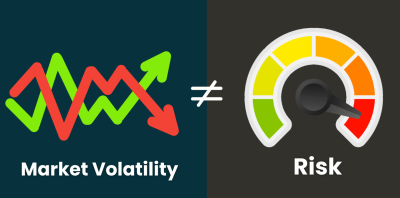
Market volatility reflects information, not directly expresses emotions. Investors should analyze market information rationally and avoid being swayed by emotions. Market volatility is normal, and short-term fluctuations should not interfere with long-term investment decisions. Investors should view market ups and downs with a more calm mindset, focusing on fundamental analysis of companies and the discovery of long-term investment value. Market volatility is essentially a process of information transmission, but emotions can amplify or distort the efficiency of information interpretation. From the core viewpoint of the reference content, this volatility includes both rational reactions to changes in fundamentals and irrational interference from collective emotions; both constitute the dynamic equilibrium of market prices.


The Normality of Market Volatility

Market volatility is an inherent characteristic of financial markets, especially in the current complex and volatile global economic environment. Historical data shows that sharp short-term fluctuations in the stock market are common, and investors should be aware of this. Buffett's view emphasizes this point: short-term rises and falls do not have a substantial impact on the long-term value of a company. For example, the stock prices of some technology companies surged during the pandemic and then fell back due to market adjustments; such volatility does not negate their growth potential over the next decade. Investors who focus solely on short-term market performance often miss long-term investment opportunities.

Emotion and Investment Decisions

Warren Buffett noted that investors are easily influenced by emotions when facing market volatility. Panic and anxiety can lead investors to make irrational decisions, such as selling quality stocks or chasing short-term hot stocks. Emotional decisions often result in investors buying at high points and selling at low points, thus suffering losses.
Conversely, rational investors should cultivate the ability to analyze calmly and avoid being swayed by short-term fluctuations. Research shows that successful investors typically possess the following characteristics:
  1. Long-term perspective:

      They focus on the company's fundamentals and long-term development, rather than short-term market sentiment.
  1. Risk management:

      They develop reasonable risk management strategies, reducing overall risk through diversification.
  1. Emotional control:

      They can control their emotions, remain calm, and avoid making impulsive decisions during market fluctuations.

Specific Mechanisms of Emotion's Impact on Market Volatility

  • Herding Effect and Speculative Investment Behavior:
        Driven by emotions, investors are more prone to conformity, i.e., the herding effect. This is especially true for investors who are unclear about market trends, who tend to follow the investment behavior of others. For example, during the 2017 Bitcoin craze, many investors blindly followed the trend, causing Bitcoin prices to soar. Then, during the 2018 bear market, panic selling occurred.
  • Self-fulfilling prophecies and feedback loops:
        Changes in market sentiment can create a "self-fulfilling prophecy" phenomenon. If most investors expect the market to rise, they will buy stocks, thus driving the market up. This two-way feedback between expectation and actual performance amplifies the role of sentiment.
  • The emergence of price reversals:
        Emotional fluctuations often cause short-term price deviations, but the market usually gradually returns to its fundamentals. For example, during stock market bubbles, optimism drives up stock prices, and subsequent price corrections often manifest as reversals. This phenomenon was particularly evident in the bursting of the dot-com bubble in 2000, where investors' blind optimism about internet companies pushed stock prices to their peak, but after the bubble burst, stock prices plummeted, eventually returning to their fair value.
  • Irrational volatility and market noise:
        In addition to fundamentally driven volatility, there is also a large amount of sentiment-driven "noise trading" in the market. These irrational, emotional buying and selling behaviors can lead to sharp price fluctuations in the short term, creating trading opportunities for rational investors.

Conclusion

Investor sentiment plays a crucial and complex role in financial markets. Sentiment can push markets upwards or downwards from their fair value, affecting price stability. Therefore, investors need to be aware of the potential impact of emotions when making decisions and manage these fluctuations through emotion management, risk control, and diversification. Understanding the nature of emotional fluctuations and avoiding emotional investing will help achieve better investment returns in an uncertain market environment.
previous post
Capital Looks for Asymmetry, Not Certainty
next post
How Portfolio Weight Reflects Real Conviction

Related Articles

Asset Allocation Matters More Than Stock Picking

Asset Allocation Matters More Than Stock Picking

2025-12-01
Investment Decisions Are Made Before the Market Moves

Investment Decisions Are Made Before the Market Moves

2025-12-01
Not Every Dip Is an Opportunity

Not Every Dip Is an Opportunity

2025-12-01

Popular Posts

  • What Trade Data Reveals About the Global Economy

    What Trade Data Reveals About the Global Economy

  • How Geopolitics Is Changing Trade Flows

    How Geopolitics Is Changing Trade Flows

  • How Geopolitics Is Reshaping the Economy

    How Geopolitics Is Reshaping the Economy

  • Tracking Goods and Capital Across Borders

    Tracking Goods and Capital Across Borders

  • Financial Indicators That Matter Before Trends

    Financial Indicators That Matter Before Trends

About Us

Privacy Policy

Term Of Use

Copyright © 2025 Sound Finance. All rights reserved.

logo
  • Home
  • Investor Insight
  • Market Moves
  • Global Economy
  • Finance Radar
  • Money Matters
  • Trade&Trends
  • About Us
  • Privacy Policy
  • Term Of Use